
This weekend, an exciting announcement reverberated through the academic corridors of the University of Chicago: Tori Harris has been named one of the 2026 Rhodes Scholars. As a fourth-year student at the esteemed institution, Harris will be stepping into the vibrant academic world of Oxford University in England come fall, with aspirations to earn a Master of Science degree in African Studies and archaeology.
Tori Harris expressed her heartfelt gratitude in a recent news release, stating, “It’s an incredible honor to be selected to study as a Rhodes Scholar. There’s a part of me that feels like this is a little surreal, but I’m excited to be given this opportunity to study what I love at Oxford. I’m hoping to do right by the people who set me on this journey as I move forward in my work.” Her enthusiasm showcases the deep connection she has with her academic pursuits and the journey that has led her to this moment.
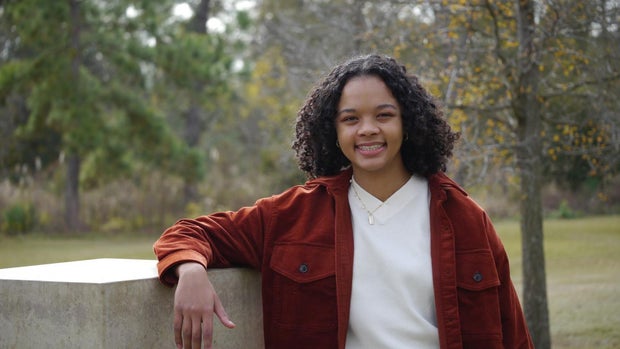
Tori Harris is now the 56th University of Chicago student to be honored with the Rhodes Scholarship and the third recipient within the past 12 months. “Tori has not only exhibited remarkable creativity during her time in the College, but also demonstrated the effectiveness of community-based knowledge—a hallmark of public archaeology,” said Melina Hale, Dean of the College at UChicago. This acknowledgment underscores the university’s commitment to nurturing individuals who engage deeply with their community and academic fields.
At the University of Chicago, Harris studied anthropology and creative writing, focusing on excavating the rich legacy of the African diaspora. Her experiences shaped her unique perspective and dedication to uncovering African American culture and history, aligning deeply with her current academic endeavors.
Growing up in Tulsa, Harris’s fascination with archaeology began in a profound way—she participated in the research and excavation of the site of the 1921 Tulsa Race Massacre. Reflecting on this pivotal moment, Harris noted, “My path in archaeology started when I volunteered during the riot’s centennial anniversary. I was 16 years old, and had a role in mapping smaller community sites that shaped the city and those neighborhoods for years to come.” This early engagement ignited her passion for the connections between history, community, and archaeology.
During her second year at UChicago, Harris expanded her research to include African diasporic religious practices, exploring the powerful links between these practices and revolutionary theories among enslaved individuals. Her commitment to understanding these intricate connections speaks to her profound respect for history and its contemporary implications.
Harris has partaken in archaeological excavations across the United States, including significant work in New Orleans, where she contributed to the excavation of Duncan Plaza public park. Her role as a research assistant at the Midlow Center for New Orleans Studies and the Chicago History Museum further demonstrates her extensive involvement in the field. Currently, she is working on her B.A. paper that examines material culture—how people utilize objects, spaces, and resources to define their identities.
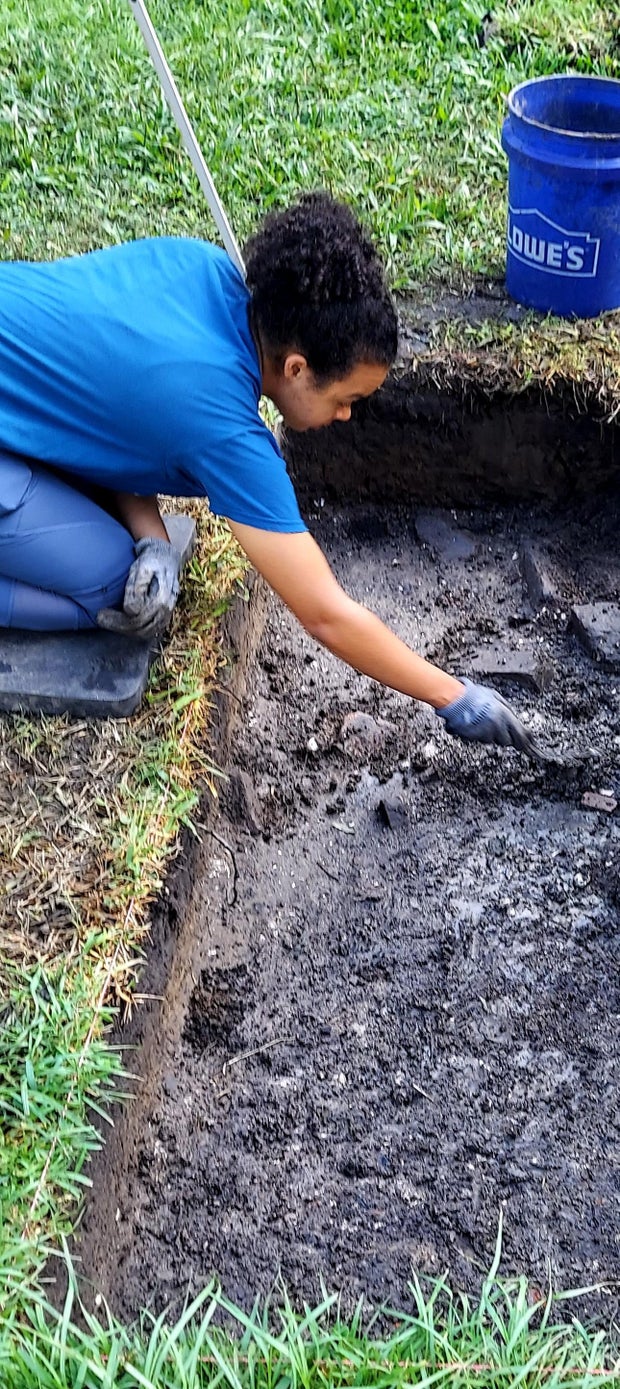
Harris’s archaeological skillset is complemented by her creative writing capabilities; her work has been featured in Blacklight Magazine, encapsulating her diverse talents and interests. At Oxford, she aims to delve deeper into public archaeology, particularly focusing on community involvement, which she regards as essential. “There is a project in the outskirts of Cardiff that uses local volunteers at their archaeological sites to not only help out with research but also to care for the site,” Harris said, expressing her admiration for community engagement in the field.
This approach resonates with her hands-on experience in New Orleans, where local residents, including descendants of individuals from the area, participated in excavations—highlighting the importance of community connections and personal histories in the exploration of archaeological sites.
Harris isn’t the only noteworthy individual among the 2026 Rhodes Scholars. William Lieber, a recent graduate from Duke University, also gained this prestigious honor. A fifth-generation Illinoisan, Lieber has concentrated on health and incarceration, aiming to bridge the intersections of medical science, ethics, and restorative justice.

Lieber’s endeavors extend into co-leading educational programs within prisons throughout North Carolina and collaborating with Duke Hospital and the Durham Sheriff’s office to investigate issues surrounding insurance and recidivism. His commitment is further demonstrated through his work as an EMT and restorative justice facilitator, engaging with gun violence victims to influence policy reform.
At Oxford, he plans to pursue dual Master of Science degrees in education and criminology and criminal justice, continuing his critical work aimed at advancing systemic change.