
Celebrating 50 Years of Charlie’s Angels: A Look Back at the Iconic Franchise
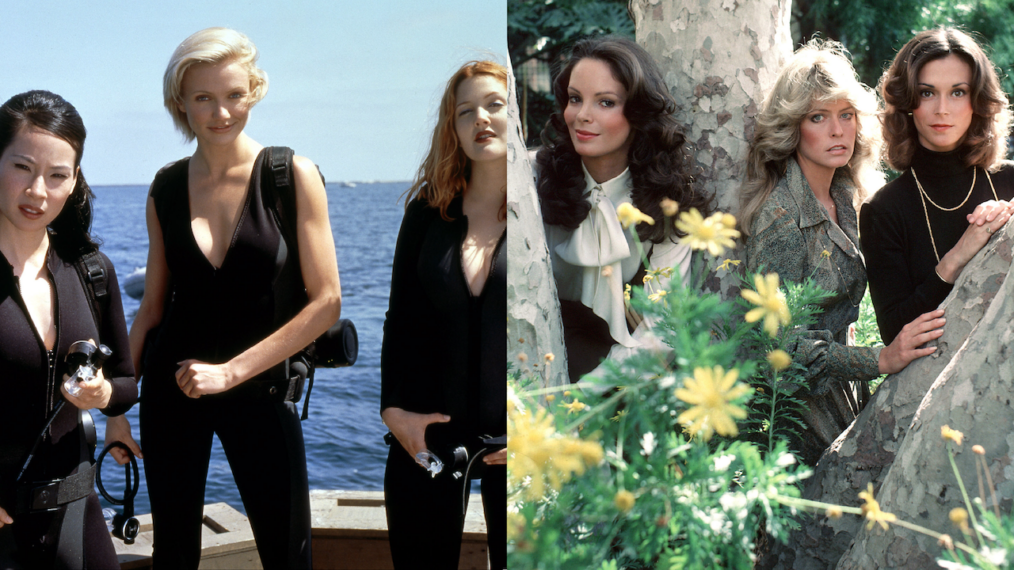
Everett Collection
2026 signifies a momentous milestone for Charlie’s Angels, marking the series’ 50th anniversary since its debut in 1976. The ground-breaking show created by Ivan Goff and Ben Roberts introduced audiences to a trio of daring female detectives set against the backdrop of glamor and espionage. As we celebrate this remarkable franchise, let’s take a journey through its evolution—highlighting the original series and its various remakes and reboots.
What To Know
- Anniversary Celebration: The 50th anniversary of the original Charlie’s Angels TV series is set for September 2026.
- New Broadcasting: Beginning January 4, 2026, fans can catch weekly reruns on MeTV as part of "Aaron Spelling Sundays," a programming block dedicated to the iconic producer’s creations.
The Legacy of Charlie’s Angels
The original Charlie’s Angels paved the way for future adaptations with its unique blend of action, friendship, and female empowerment. For many, the show was a refreshing portrayal of women as strong, capable characters who weren’t simply sidekicks in a man’s world.
As we look back, fans are eager to see how the several remakes and reboots stack up against the original. Here’s a ranking of the adaptations, starting with the least favorable.
5. Charlie’s Angels (2011)
Attempting to revive the franchise, the 2011 version of Charlie’s Angels fell flat. Created by Alfred Gough and Miles Millar, who previously rejuvenated other franchises like Smallville, this iteration was unceremoniously canceled after just four episodes. Despite featuring talented actresses such as Annie Ilonzeh, Minka Kelly, and Rachael Taylor, it failed to recapture the campy fun of its predecessor and lacked originality, feeling indistinct among the television offerings of its time.
4. Charlie’s Angels: Full Throttle (2003)
Following the success of the 2000 film, Charlie’s Angels: Full Throttle saw the return of cast members Cameron Diaz, Lucy Liu, and Drew Barrymore, directed by McG. Though it performed well at the box office, its plot was criticized for being disjointed, serving merely as a vessel for over-the-top action sequences. The star-studded cast, including Demi Moore and cameos from various celebrities, delivered entertainment without substance. Yet, it undeniably entertained audiences with its vibrant action scenes, from motocross races to wrestling matches.
3. Charlie’s Angels (2000)
The first cinematic take on the franchise successfully resurrected Charlie’s Angels for a new generation. With a catchy theme song by Destiny’s Child and iconic fight scenes, this iteration struck a chord with audiences. Cameron Diaz, Drew Barrymore, and Lucy Liu brought their characters to life with charm and humor, supported by a mix of comedic performances from actors like Bill Murray and Sam Rockwell. Despite its inherent silliness and heavy male gaze, the film managed to honor its roots while becoming a cultural touchstone.
2. Charlie’s Angels (2019)
Nearly two decades after the first big-screen adaptation, the 2019 reboot introduced a fresh take on the Angels, with Kristen Stewart, Naomi Scott, and Ella Balinska donning the roles. Directed by Elizabeth Banks, this version leaned into feminist themes, depicting the Angels as savvy operatives dedicated to their craft—not just their looks. The film’s narrative recognized previous adaptations, providing continuity while also making strides in portraying gender dynamics in cinema. This revitalization received mixed box office results but found its audience through its progressive storytelling.
1. Charlie’s Angels (1976-1981)
The original Charlie’s Angels remains a benchmark in television history, combining spy thrills with a celebration of female friendship and empowerment. Featuring iconic actresses like Kate Jackson, Farrah Fawcett, and Jaclyn Smith, the show provided a backdrop of stylish charm while deftly navigating the complexities of crime-fighting. Though rooted in the context of its time, the series promoted collaboration and showcased women as formidable protagonists, paving the way for future generations of female-led narratives. Today, it stands as a defining example of 1970s "jiggle television," blending allure and agency in a captivating formula that continues to resonate.
As we gear up to celebrate a half-century of Charlie’s Angels, the enduring legacy of this franchise shines brightly, reminding us of the ground it broke in portraying women as dynamic characters in the entertainment landscape. From the series’ inception to its modern reinventions, Charlie’s Angels invites us to reflect on how narratives about female power and collaboration have evolved and continue to captivate hearts and minds across generations.