
Smart rings and red-light devices are no longer the new kids on the block — longevity-focused home gadgets, exoskeletons and AI were on everyone’s minds at this year’s Consumer Electronics Show in Las Vegas
The Consumer Electronics Show (CES) has always been a vibrant showcase of the latest in tech innovation, and 2026 was no exception. The annual event revealed a new phase of smart workout gear, wearables, and health gadgets that are evolving at an astonishing rate. No longer are smart rings and red-light therapy the hottest topics; this year, the focus shifted sharply towards artificial intelligence (AI) and the theme of longevity.
While predicting the world-changing outcomes of AI by 2026 remains speculative, CES presented exciting advancements that promise to enhance nutrition tracking, athletic performance, and health monitoring in everyday life. Athletech News highlights some of the most intriguing innovations in fitness, health, and wellness technology unveiled at this year’s event.
Exoskeletons Will Boost Accessibility & Performance
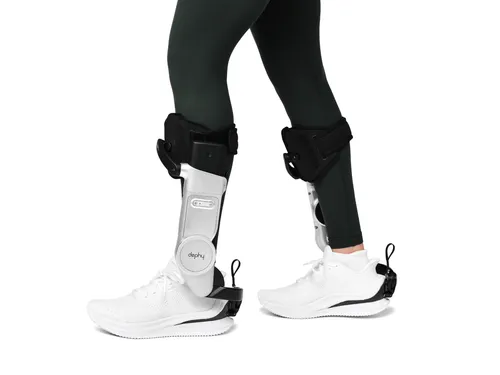
The dream of stepping out like the Six Million Dollar Man may not be fully realized, but developments in exoskeleton technology are bringing us closer. These wearable robotic devices are designed to enhance physical capabilities, making them beneficial for athletes and those facing mobility challenges alike. Battery-powered wearables are now capable of boosting muscle performance, offering back support during lifting, and easing walking for individuals with mobility restrictions.
This year’s event showcased Hypershell’s X Series, starting at $899, which noticeably enhanced mobility, allowing users to walk and jump with ease. Xtand’s Orion Intelligent Patella Strap was another standout, adjusting compression for improved knee support.
Dephy captivated onlookers with its Sidekick system, priced at $4,500. This innovative device attaches to the shins and ankles, enabling users to move faster and further with reduced effort. Demonstrating spinal support and a lightweight design, SuitX’s co-founder, Wayne Tung, sported the IX Back Air during the AI-Powered Wearables panel.
Longevity Tech Is Coming Home
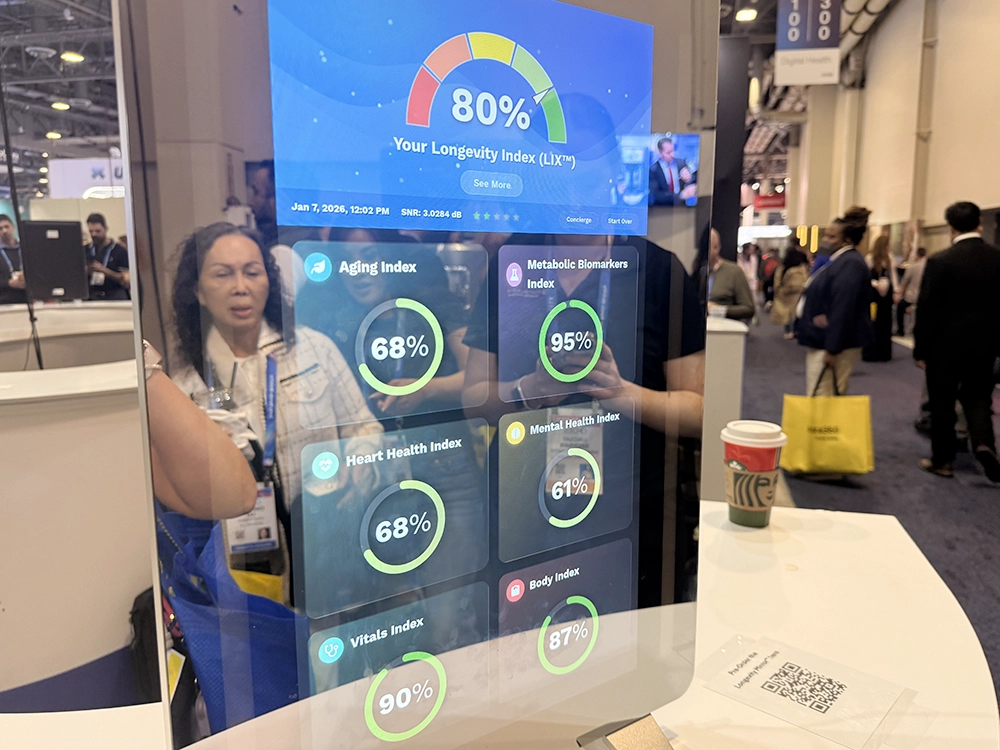
“Mirror, mirror on the wall, who’s the healthiest of them all?” This year, the longevity theme gained traction in at-home health technology, with innovative products like mirrors and body scales designed to track a multitude of biomarkers.
The highlight of the show was the aptly-titled Longevity Mirror from NuraLogix. Utilizing AI and Transdermal Optical Imaging, this mirror analyzes facial blood-flow patterns and generates a Longevity Index score from 0 to 100. This score reflects physiological age, heart health, metabolic wellness, and even mental health factors. Retailing around $899, it also offers an optional One-Touch Health Concierge starting at $399.
Withings, a leader in smart scales, unveiled its most ambitious device yet, the Body Scan 2.0. Marketed as an “all-in-one longevity station,” this device detects over 60 biomarkers, providing detailed assessments of cardiovascular, metabolic, and cellular health. Users receive a personalized Health Trajectory report, offering insights into how daily decisions impact their healthspan.
Smart Rings Go Beyond Health
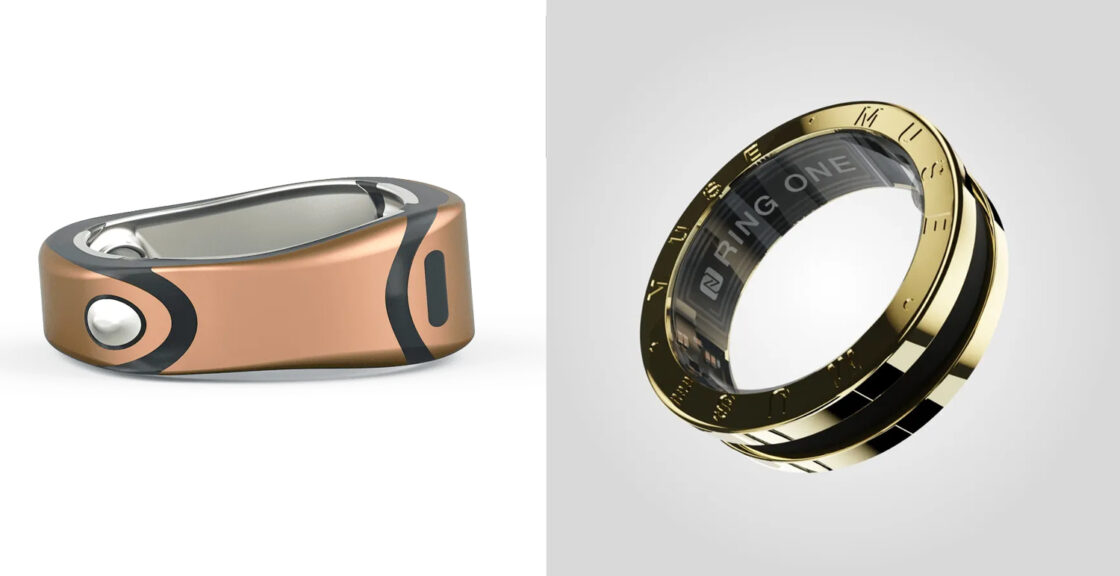
Once considered an emerging trend, smart rings have solidified their presence in the consumer market, with Oura Ring often viewed as the frontrunner. The company has recently partnered with Fullscript to enhance clinician access to patient data. However, this year saw a surge in competitors boasting luxurious materials, impressive battery life, and multifaceted features that extend beyond health tracking.
Muse introduced the Ring One ($321-$1,110), featuring NFC Tap-to-Pay in select countries. This advanced device measures several health metrics while offering a sleek design made from titanium-ceramic, with an option for an 18-karat solid gold version that can be sold back to the company, allowing users to recoup some value.
Wilder Tech’s founder, Ash Wilder, emphasized that the company’s Bond Ring embraces cutting-edge technology collaboration with global sensor manufacturers like Bosch and Texas Instruments. Powered by body heat, it tracks an impressive array of biomarkers including blood pressure, glucose trends, and menstrual cycles. The highly sought-after Founder’s Edition features an organic design with customizable panels and luxurious finishes, appealing to a range of consumers including professional athletes.
Nutrition Tracking Gets Smarter With AI

As health technology increasingly integrates AI capabilities, nutrition platforms like Noom, Zoe, and AlterMe have capitalized on this trend. This year at CES, notable new entries from Abbott, Garmin, and Amazfit further showcased this innovation.
Abbott introduced its by-prescription Libre 3 Plus continuous glucose monitor, which interacts with the Libre Assist app. This cutting-edge app allows users to photograph their meals, leveraging generative AI to analyze the impact on blood glucose levels and offer nutritional suggestions.
Garmin’s latest upgrade to the Garmin Connect app now includes food intake tracking, enabling users to monitor macros and receive AI-driven insights into how diet and lifestyle choices influence overall health. Additionally, voice commands can facilitate logging foods directly through their smartwatch.
Amazfit unveiled a prototype of its V1tal food tracking device, designed to pair with the subscription-free Zepp app. This innovative gadget employs AI to identify various foods as users consume them, delivering nutritional insights such as calorie and macro counts and personalized recommendations to improve meal choices.
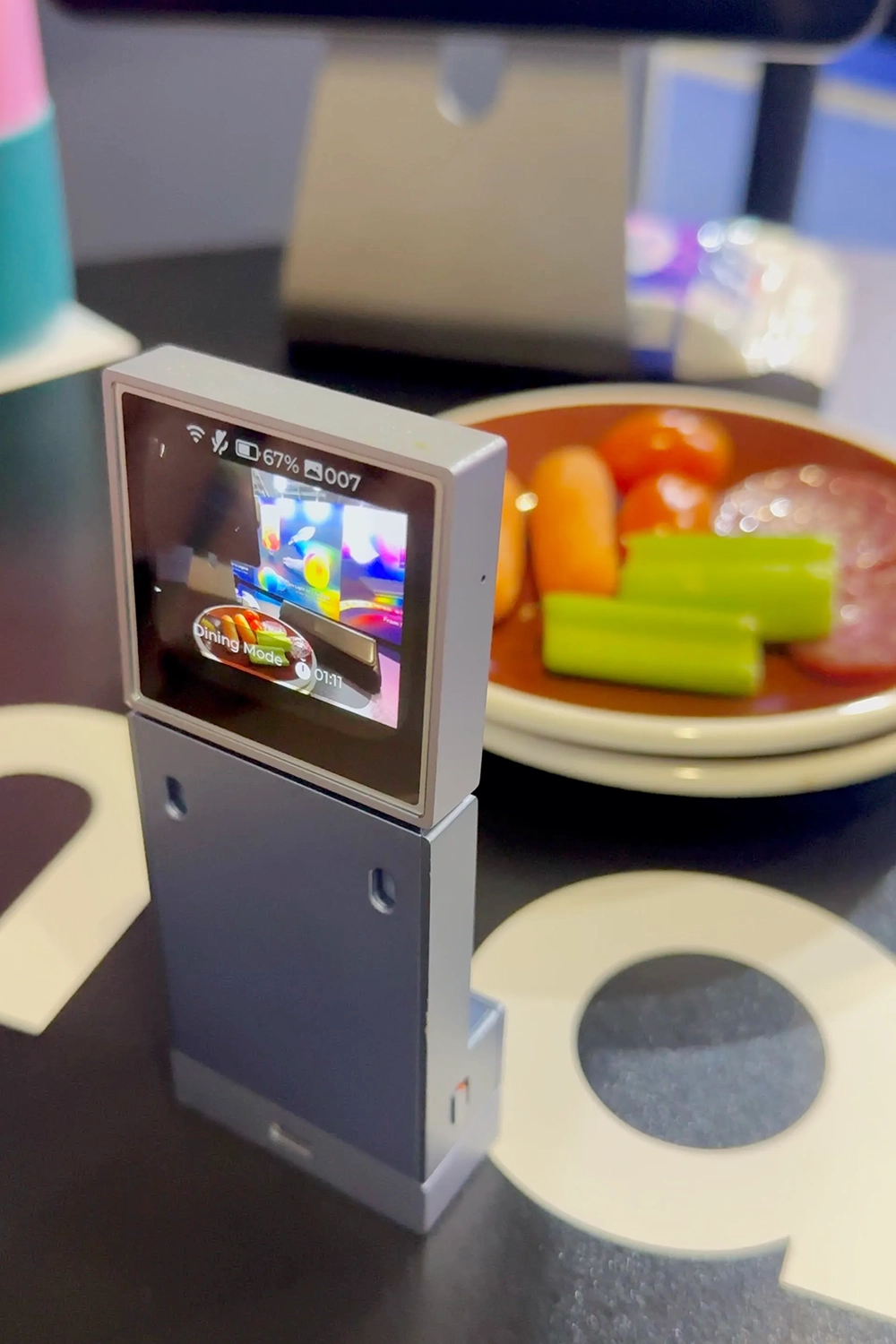
With ambitious plans for expanded AI-powered nutritional tracking, Amazfit’s representatives hinted that the prototype is merely the beginning of their journey in health tech innovation.